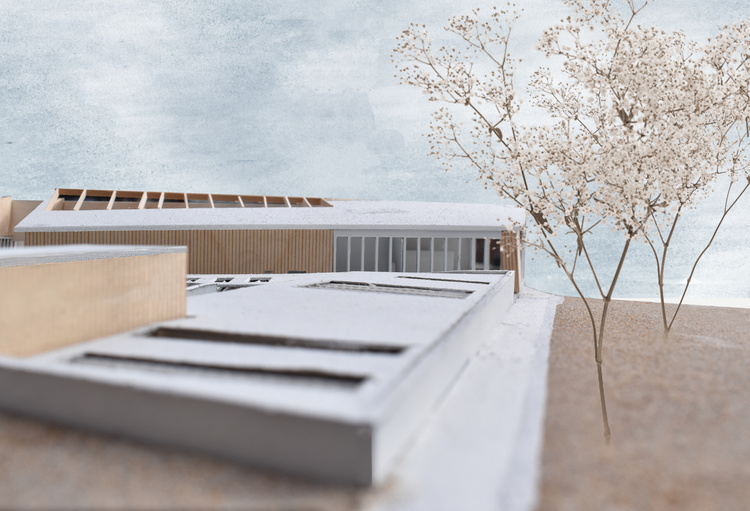
Kintsugi
A Space for Restorative Justice
The current criminal justice system is broken. If we see the definition of justice to be the "due reparation for a wrong or injury," the three stakeholders—the state, victim, and perpetrator—have very different definitions. The institutionalized system overrides all others in an attempt to produce a disillusioned sense of wholeness in society, but often doesn't address the brokenness in people's lives or in the relationship between them. It seeks to quantify reparation through financial or penal means.
The restorative justice system is an alternative that facilitates dialogue and a process where both parties engage with each other towards mutual understanding and resolution. Kintsugi—which literally translates to gold scars—takes the fragments of a broken bowl and joins them back together with gold lacquer. This art form celebrates the effects of time and actions, acknowledging and highlighting flaws and cracks, and imbuing a sense of beauty and value in the process of restoration, to the point where the end result is more valuable than its original, unbroken state.
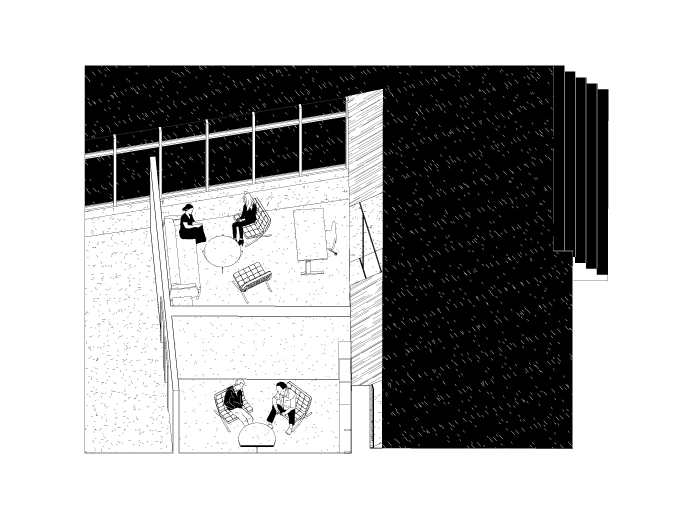
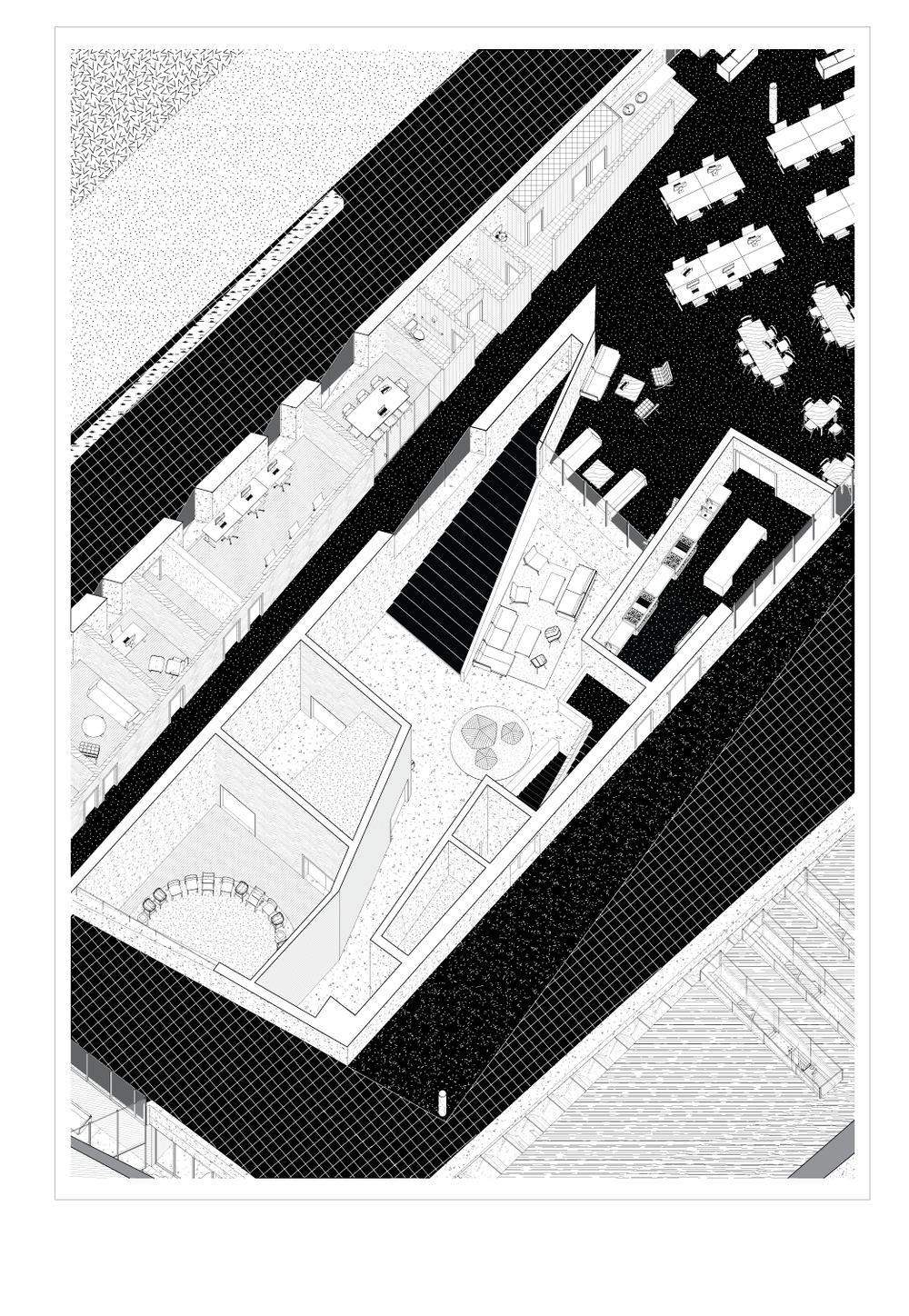
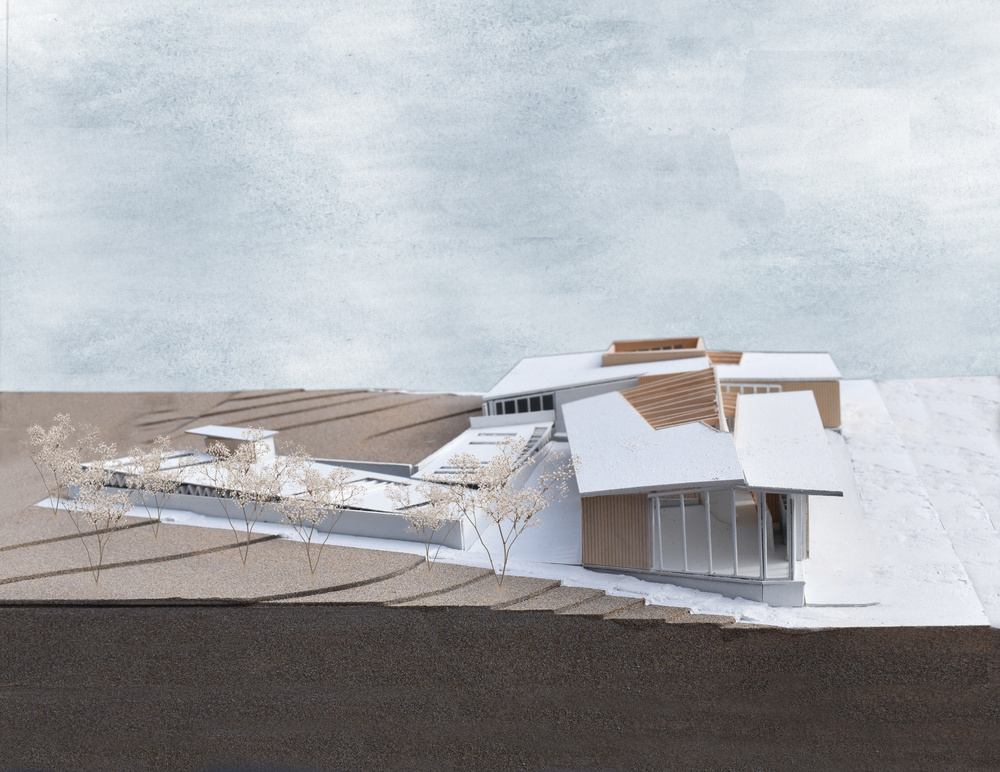
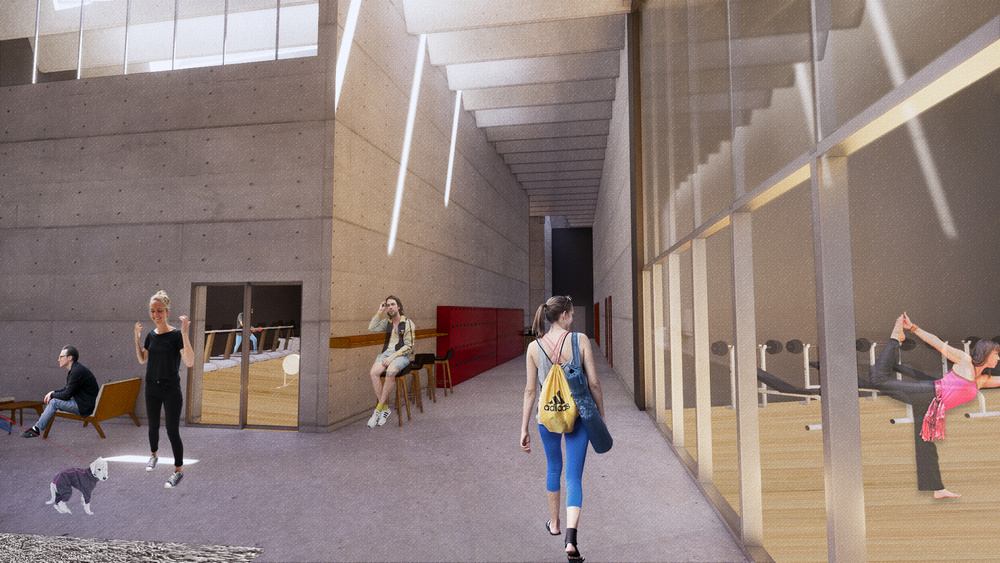
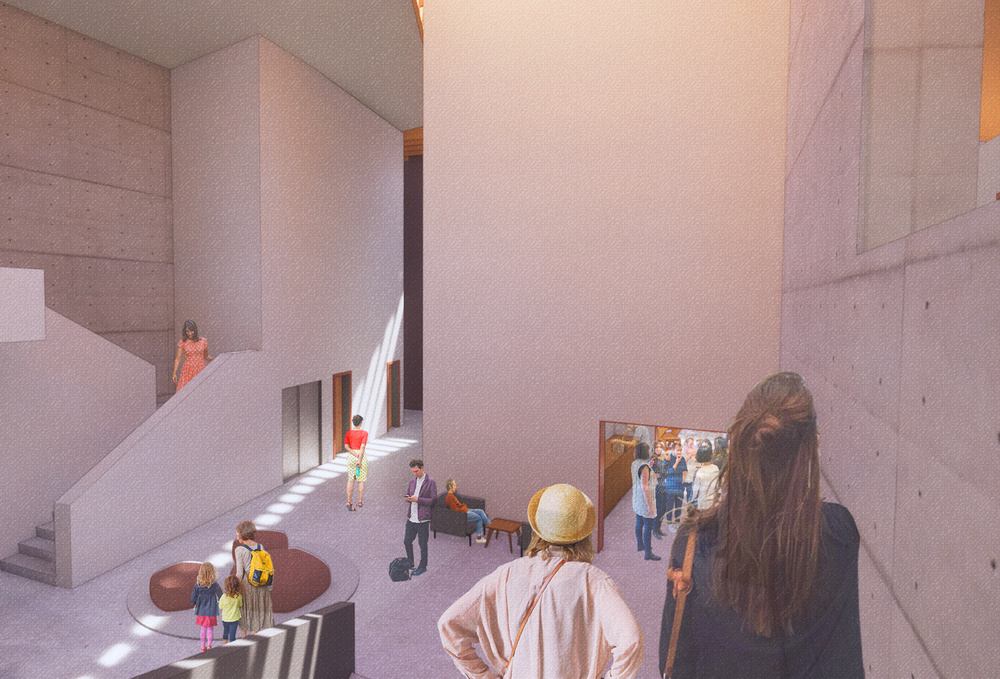
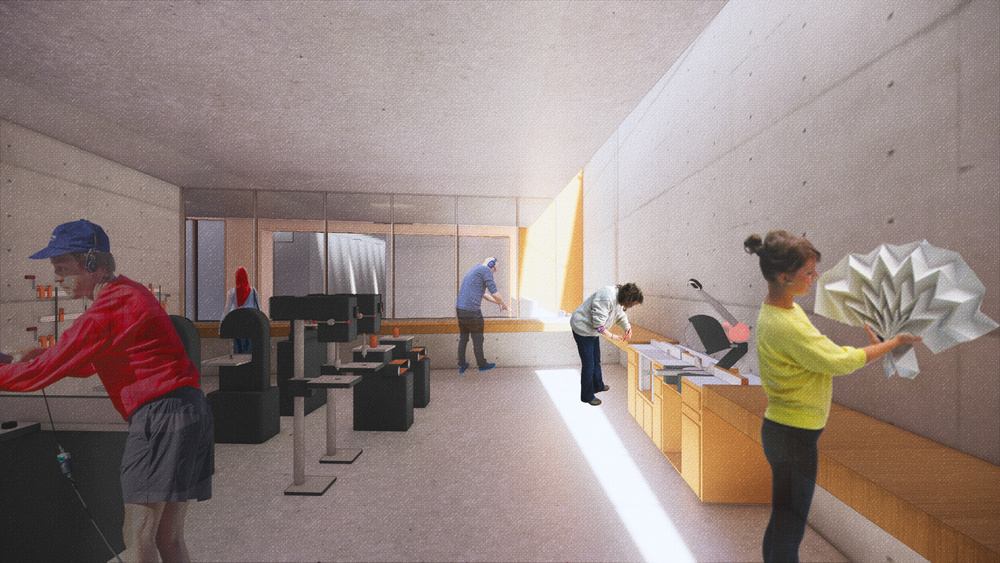
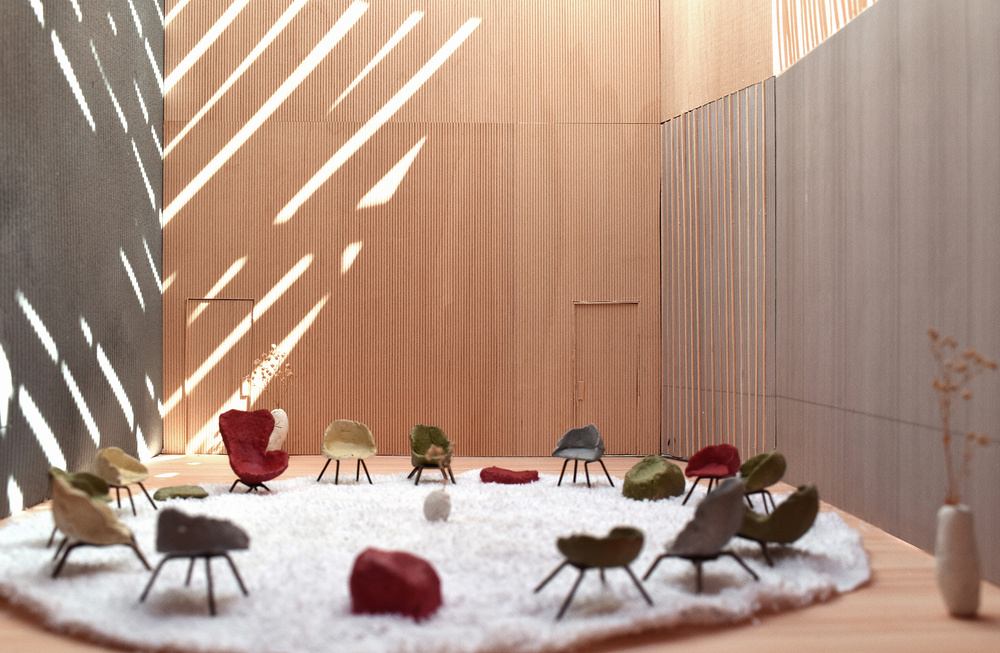
The building is broken open to allow light, people, and the restorative justice process to flood in. The Bridgeport Center for Restorative Justice addresses economic, physical, and social injustices. In addition to a restorative circle room and counseling rooms, the building provides a community kitchen and coworking space, wellness center, continuing education classrooms, and a community fabrication lab.

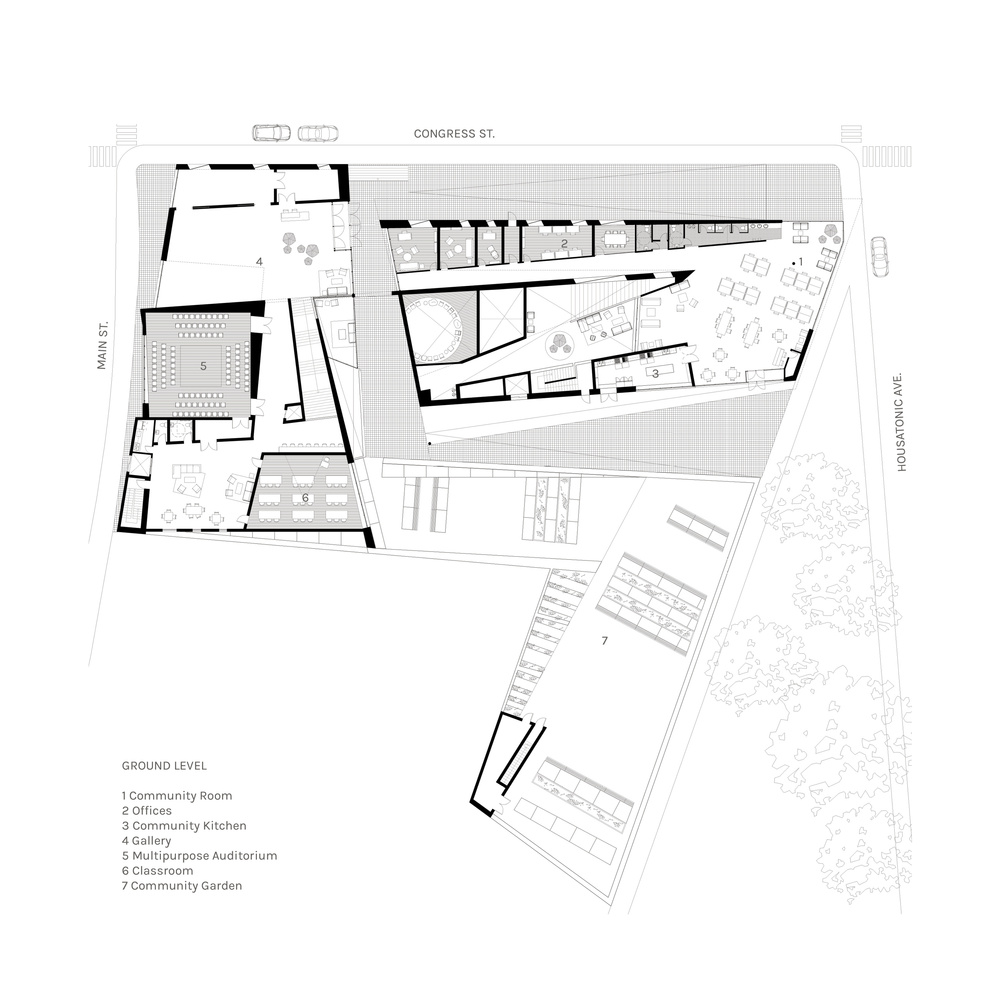
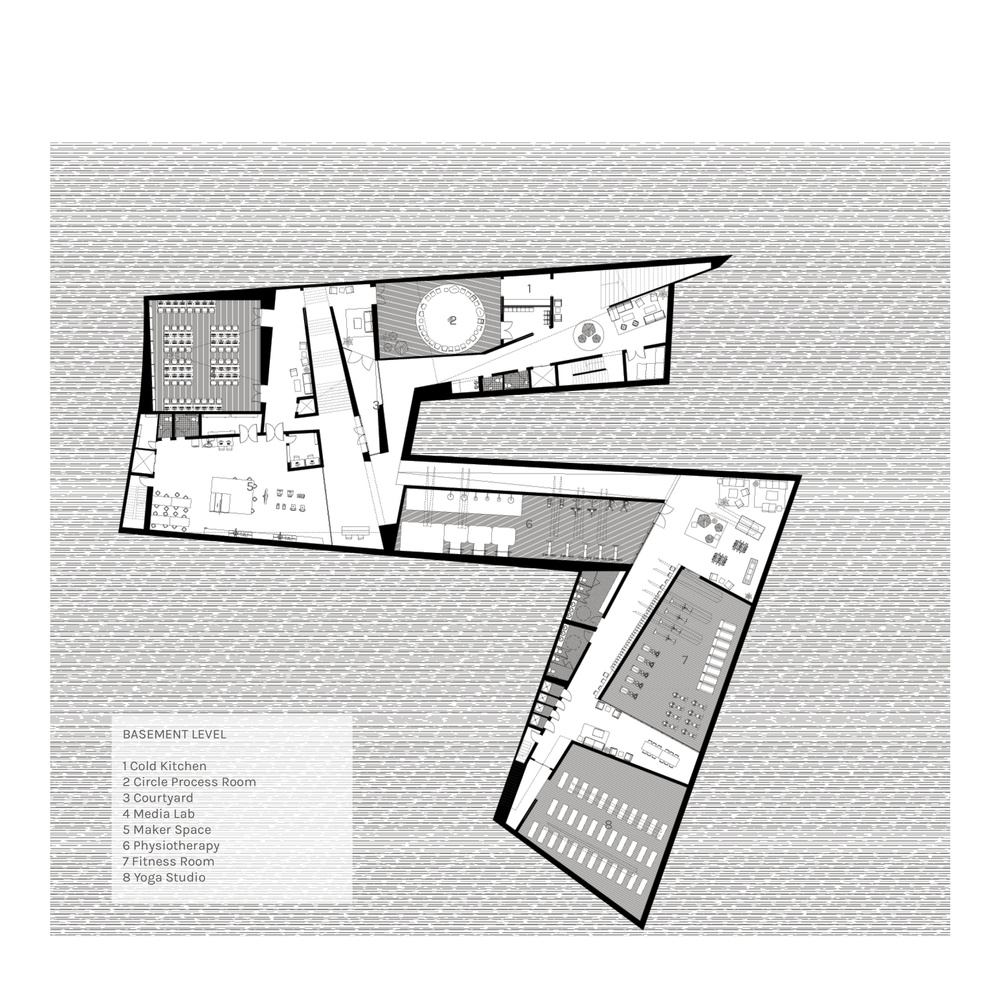


Yale School of Architecture / Fall 2018
Critic: Martin Finio
Planning something similar? Start a conversation.